
Published Date -
September 17, 2025
Author -
Beyond Safari – A Brewed Awakening
Zambia, long celebrated for its safari landscapes and majestic Victoria Falls, is now earning a new reputation on the global stage: a rising player in the African coffee scene. While Ethiopian coffee, Rwandan coffee, and Kenyan coffee often steal the spotlight, Zambia offers its own distinct characteristics with high-quality Arabica beans, grown in rich soil and high altitude regions. For coffee lovers, this Southern African country presents a unique and largely untold chapter in the story of African coffee.
From the aroma of freshly roasted beans to the vibrant interactions at local coffee shops, Zambia's coffee journey is deeply rooted in community, culture, and connection. It's time the world recognized the country's coffee identity and how coffee plays a vital role in empowering communities and growing coffee sustainably.
The Roots of Zambian Coffee
Introducing coffee to Zambia dates back to the 1950s, influenced by British settlers and later developed during and after World War II. While Belgian colonial rule shaped much of Central Africa's coffee history, Zambia’s coffee story grew quietly in the background. With support from the Edinburgh Botanical Gardens, early coffee trees were introduced into Zambia's tropical climate, setting the stage for a transformation in coffee cultivation.
Over time, the country shifted from large estates to smallholder farmers, giving rise to community-driven coffee production. This transition not only improved coffee quality but also created opportunities to uplift rural communities, particularly women and youth involved in coffee farming.
Coffee Growing Regions in Zambia
Zambia's best coffee producing areas are nestled in the high altitude regions of the Northern and Muchinga Provinces, including Kasama, Nakonde, and the Mafinga Hills. These areas, with their cool temperatures, abundant rainfall, and fertile soils, create ideal conditions for cultivating fully washed Arabica and bourbon variety beans.
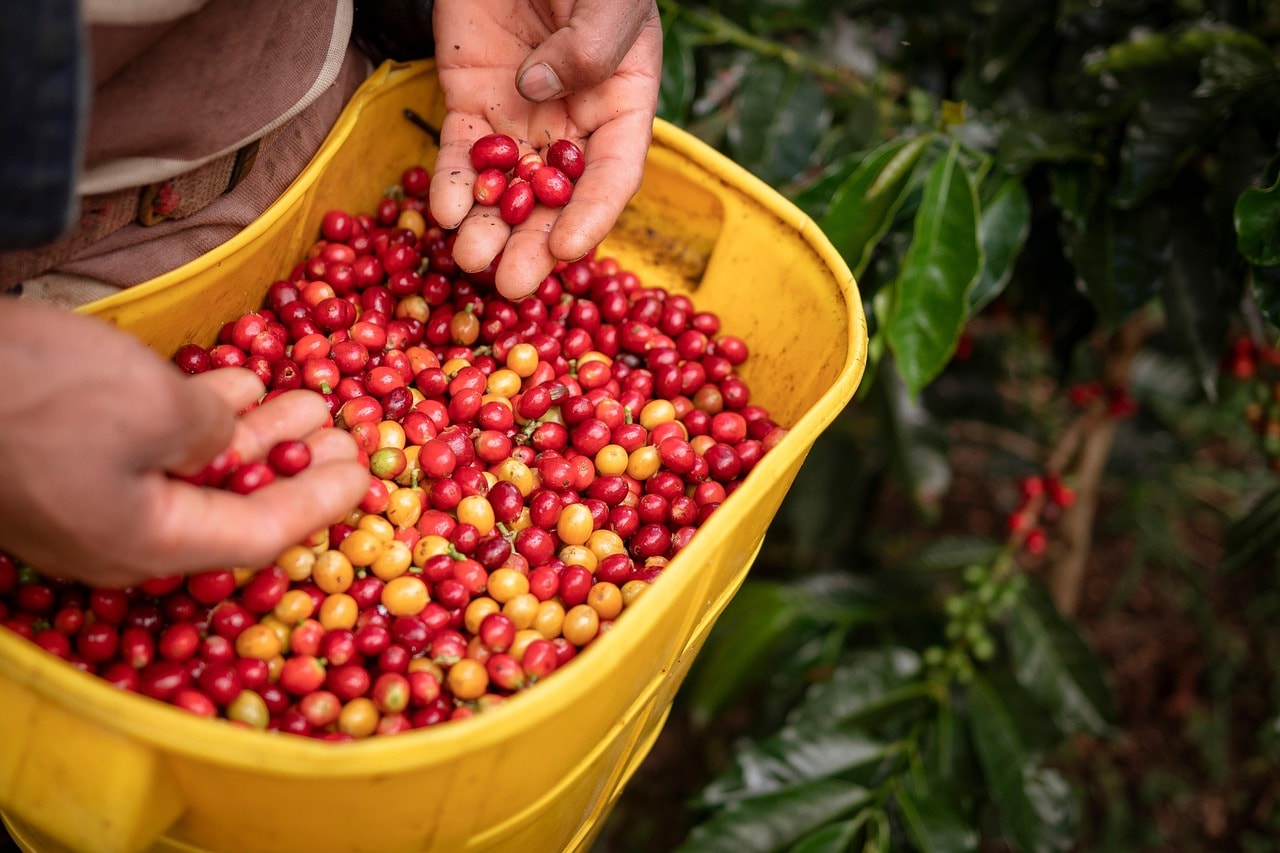
In these zones, farmers grow coffee cherries with care, often using washing stations and sustainable practices to produce specialty coffee that meets international standards. The result is a cup rich in floral notes, bright acidity, and fruity flavors, boasting a medium body and clean finish.
People Behind the Beans: Empowering Farmers and Communities
Zambia's coffee success is built on the dedication of its smallholder farmers, many of whom are women. These farmers cultivate arabica coffee using eco-friendly methods, often without access to modern tools or capital. Yet, their commitment produces some of the most exceptional coffee in Africa.
Organizations and cooperatives across Zambia focus on empowering farmers, offering training on processing methods, brewing methods, and sustainable land use. Through these efforts, coffee becomes more than a crop—it's a vehicle for a brighter economic future and cultural pride.
What Makes Zambian Coffee Special?
What truly sets Zambian coffee apart in the global coffee market is its distinct flavor profiles. Grown in unique microclimates, Zambian arabica beans offer a well-balanced cup with vibrant acidity, fruity notes, and delicate floral undertones.
Unlike the bold, wine-like punch of Ethiopian or Tanzanian coffee, or the earthy depth of Ugandan coffee, Zambia's beans are known for their clean finish, subtle sweetness, and fragrant aroma that shines in pour over, French press, or even espresso-style brewing methods.
For the specialty coffee industry, these single origin beans represent a hidden gem with massive potential.
Experiencing Zambian Coffee Locally
In cities like Lusaka, Livingstone, and Ndola, a new wave of coffee shops and roasters are introducing locals and tourists to Zambia's rich coffee culture. From your morning cup brewed from freshly roasted beans to immersive coffee experiences on local farms, Zambia offers something for every coffee enthusiast.
Some farms welcome visitors for tours that showcase every step of the process—from coffee tree to cup. These tours not only offer education but also promote responsible tourism and direct trade with farmers.
Zambia in the Global Coffee Market
While Zambia remains a small but valuable export player compared to other coffee producing countries, its reputation is growing. Demand for high-quality coffee from underrepresented African nations is rising, and Zambia is poised to meet it.
Partnerships with roasters abroad, features in World Economic Forum panels, and interest from specialty coffee buyers in Europe and Central America have positioned Zambia as a future major producer in the specialty coffee industry.

Challenges and Opportunities Ahead
Zambia's coffee industry faces challenges, including limited infrastructure, fluctuating global prices, and competition from better-known African coffee origins. Climate change also poses a risk to coffee growing regions.
However, with increased investment, government support, and NGO-led initiatives, the country is on a promising path. Emphasis on high-quality Arabica, empowering farmers, and sustainable coffee cultivation ensures that Zambia's place in the world of specialty coffee will only grow stronger.
A New African Coffee Star Rises
Zambia's journey from quiet coffee grower to specialty coffee contender is a testament to resilience, community, and craft. As more coffee lovers seek out single origin beans with distinct characteristics, Zambia stands ready to deliver.
So next time you sip your morning cup, consider choosing Zambian coffee. You won’t just taste a flavorful brew with bright acidity and medium body—you’ll be part of a story that's still being written.
Ready to experience Zambia’s coffee culture for yourself? Contact us to visit the farms, meet the growers, and discover how a humble bean is transforming lives across a nation. Contact with us Kingsfari.

Our Newsletter

Get To Know More About Us!
For latest updates

.svg)


